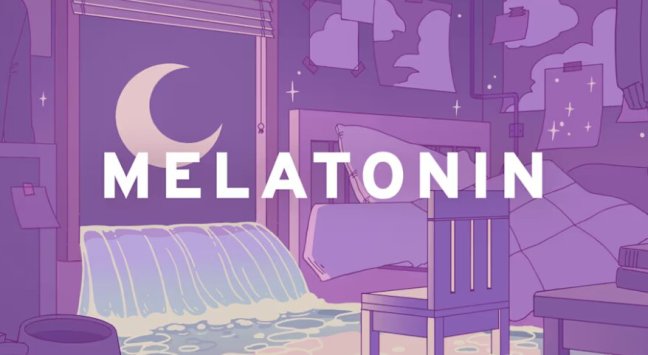
Melatonin on Nintendo Switch is a charming rhythm game that successfully captures the spirit of Nintendo’s Rhythm Heaven series while creating its own relaxing dreamlike identity. Played entirely on Nintendo Switch 2 through backward compatibility, this short but enjoyable experience combines creative rhythm-based mini-games, a pleasing lo-fi soundtrack and a beautiful purple dream aesthetic to create a calming adventure that feels perfectly suited for handheld play. While its limited length, modest replay value and occasional lack of variety prevent it from reaching a higher level, Melatonin is an easy recommendation for anyone looking for a modern rhythm game inspired by one of Nintendo’s most beloved rhythm franchises.
Melatonin wears its Rhythm Heaven inspiration proudly, and that influence is immediately noticeable throughout the experience. The game is structured into chapters containing four dreams followed by a remix-style challenge, creating a format that feels familiar to fans of Nintendo’s rhythm series. However, Melatonin develops its own identity through its dreamy presentation, relaxing atmosphere and focus on simple visual storytelling. The structure is clean and easy to follow, with each sequence following the main character through different dream scenarios.
The rhythm gameplay itself is accessible and enjoyable. Each dream introduces a different mini-game built around timing, repetition and learning patterns, creating a satisfying loop of recognizing cues and improving performance. The game provides feedback by showing whether your timing was early, late or perfect, which is a helpful addition that makes understanding mistakes easier compared with rhythm games that provide less direct feedback. The controls feel responsive, and playing on Nintendo Switch 2 in handheld mode provides a smooth experience with crisp visuals and reliable inputs.
The presentation is one of Melatonin’s strongest elements. The purple dream-inspired aesthetic creates a calm and consistent visual identity, while the lo-fi soundtrack perfectly complements the relaxing tone. Several mini-games stand out thanks to their creativity and charm, including the opening food-throwing challenge that feels reminiscent of memorable Rhythm Heaven moments and the dream involving a claw machine and personal desires, which features one of the game’s most catchy concepts. The simple visual style works well for the game’s mood, although the heavy reliance on muted colors can occasionally make the presentation feel washed out compared with the brighter and more energetic visual variety found in games like Rhythm Heaven.
The biggest limitation of Melatonin is its length. The main experience can be completed in roughly three to four hours, and while Hard Modes provide additional challenges, they do not dramatically extend the overall experience. Even after completing the harder versions, the replay value feels limited unless you are specifically interested in mastering every challenge or achieving perfect results. The short runtime is not necessarily a problem for a small rhythm game, but it does make the experience feel more like a focused collection of ideas than a larger rhythm adventure.
The variety of mini-games is another area where Melatonin struggles compared with its inspiration. While many dreams are fun, some are less memorable and do not have the same lasting personality as the strongest Rhythm Heaven challenges. The game also relies heavily on its lo-fi musical style, which creates a consistent atmosphere but can make the soundtrack feel less varied over the course of the entire adventure. Although Melatonin uses both visual and audio cues to guide players through its rhythm challenges, I found myself relying more heavily on the visual animations than the music itself, especially compared with Rhythm Heaven’s more immediately recognizable musical timing.
The overall presentation is polished, but there are a few technical and design limitations. Moving between chapters can occasionally involve longer loading times than expected, and the menu and chapter organization, while functional, do not feel as refined or playful as the presentation found in Nintendo’s rhythm games. These are minor concerns, but they contribute to the feeling that Melatonin is a strong tribute to a beloved formula rather than a major evolution of it.
Playing on Nintendo Switch 2 enhances the experience through the benefits of handheld play. The game’s colorful dream environments look clean and vibrant on the Switch 2 display, and the simple but stylish art direction fits naturally with portable gaming. Melatonin is exactly the type of short, relaxing experience that benefits from being available anywhere, making Nintendo’s hybrid hardware a great fit.
Melatonin succeeds because it understands what makes rhythm games enjoyable: clear timing, satisfying feedback and creative interactions between visuals and sound. It may not offer the same level of creativity or longevity as the games that inspired it, but it provides a relaxing and approachable experience for players who have been waiting for another Rhythm Heaven-style adventure. Its biggest limitation is that its strong foundation is not expanded as far as it could have been, with more variety, additional challenges and more memorable mini-games potentially elevating the overall experience.
Final Score: 8 out of 10
Melatonin earns its score through its relaxing atmosphere, enjoyable rhythm gameplay, pleasing visual style, responsive controls and strong Rhythm Heaven-inspired structure. Its short runtime, limited replay value, less memorable mini-games and occasional lack of variety prevent it from reaching a higher level, but it remains a charming recommendation for fans of rhythm games and players looking for a calm handheld experience.
Pokémon Lens
Melatonin connects to Pokémon through its emphasis on learning patterns, gradual mastery and player improvement through repetition. Similar to how Pokémon encourages players to understand systems, recognize strengths and adapt strategies over time, Melatonin rewards players for studying each rhythm challenge and improving timing through practice. The game’s progression is not based around collecting creatures, but it shares Pokémon’s philosophy of building familiarity with mechanics and gaining confidence through repeated encounters.


One thought on “Melatonin Nintendo Switch Review | A Relaxing Rhythm Game Inspired by Rhythm Heaven”