Most games want you to avoid failure. Hades builds an entire masterpiece around it.
Developed by Supergiant Games, Hades is a roguelike action game where Zagreus repeatedly fights his way out of the Underworld in defiance of his father, Hades. The deeper he gets, the more questions emerge, turning each escape attempt into another piece of a larger story. Each run is framed by failure and progress at the same time, with story developments, character interactions and new discoveries unfolding whether you succeed or not.
Combat is the game’s strongest pillar. Every weapon feels distinct and the variety created through boons, keepsakes and Mirror of Night upgrades makes every attempt feel different. Experimentation is constantly rewarded, and the game does an excellent job of making loss feel like progress. It is also one of the most approachable roguelikes, easing players into the genre without sacrificing depth or challenge.
The story and characters are where Hades separates itself from most games in the genre. Zagreus stands out as a sharp, charismatic lead, and the supporting cast is equally memorable. Characters like Achilles help anchor the narrative, while the full voice acting carries the experience with an unusually large amount of reactive dialogue that keeps conversations fresh for a long time. Character relationships evolve naturally over time, with different interactions between Zagreus, Hades and the rest of the cast giving the narrative strong emotional weight.
Replayability is massive. Even after 120 hours, there is still content to uncover, relationships to build and systems to experiment with. The gameplay loop is highly addictive, and each successful escape carries real satisfaction. One of the game’s most striking strengths is how it makes reaching the surface feel meaningful every time, even when the journey changes over the course of the story.
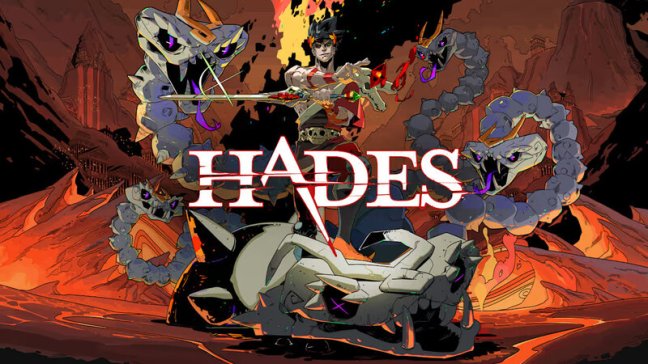
The presentation ties everything together. The hand-drawn art style is consistently strong, the music enhances both combat and atmosphere, and performance on Nintendo Switch remains smooth throughout. On Nintendo Switch 2, the game’s art direction also benefits from a sharper handheld display, making everything stand out more clearly.
The story and characters are where Hades separates itself from most games in the genre. Zagreus stands out as a sharp, charismatic lead, and the supporting cast is equally memorable. Characters like Achilles help anchor the narrative, while the full voice acting carries the experience with an unusually large amount of reactive dialogue that keeps conversations fresh for a long time. Character relationships evolve naturally over time, with different interactions between Zagreus, Hades and the rest of the cast giving the narrative strong emotional weight.
The few areas where Hades falls short are outweighed by everything it does right. It blends fast, satisfying combat with exceptional writing, strong progression systems and a gameplay loop that remains compelling long after most games would run out of surprises. Few titles make failure feel rewarding, and fewer still maintain that sense of discovery for well over 100 hours. Hades is not just one of the best roguelikes ever made. It is one of the best games of the past decade.
9.5/10
Pokémon Lens:
Hades and Pokémon share a similar design philosophy in how they encourage experimentation and long-term engagement. Building each run through different boons and weapons mirrors the way Pokémon games reward team-building, strategy and adapting to different challenges. Both also succeed in making progression feel personal, whether that is through evolving relationships in Hades or developing bonds with your team in Pokémon. For players who enjoy refining strategies and constantly discovering new combinations, Hades delivers that same satisfaction in a different genre.


One thought on “Hades Review (Nintendo Switch): One of the Best Roguelikes Ever Made”