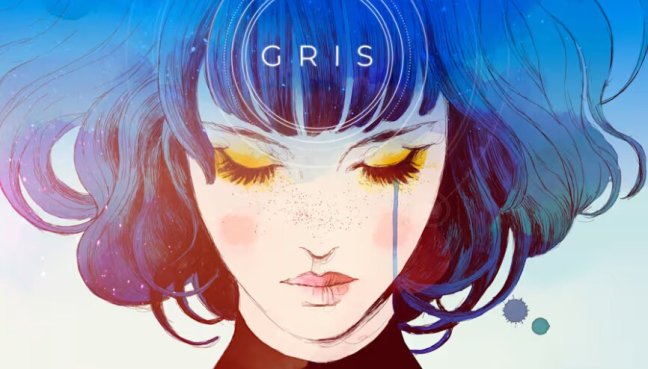
GRIS remains one of the most visually striking indie platformers available on Nintendo Switch, and after completing the game entirely on Nintendo Switch 2 through backward compatibility, it continues to impress in 2026 with breathtaking watercolor-inspired visuals, exceptional environmental design and a relaxing exploration-driven experience that has aged remarkably well since its original 2018 release. If you are wondering whether GRIS is worth playing today, its artistic presentation alone makes a lasting impression, even if some design choices keep the overall experience from matching the same consistently high standard.
The game’s greatest strength is its presentation. Every environment feels like a moving watercolor painting, with a distinctive art style that still looks fantastic years after release. The gradual restoration of color gives the adventure a satisfying sense of progression while continuously introducing new visual themes and gameplay ideas. As additional colors return to the world, new environmental elements such as water, light and lush vegetation help each chapter feel visually distinct while reinforcing the game’s steady progression. Even on Nintendo Switch 2 through Nintendo’s backward compatibility enhancements, the game looked vibrant and ran smoothly in handheld mode, allowing its artistic direction to shine without technical distractions.
Gameplay focuses on light platforming and environmental puzzles rather than demanding precision or difficult combat, making GRIS a consistently relaxing experience. Gris gradually unlocks new abilities, including transforming into a heavy block, gliding across large gaps and eventually using her voice to manipulate parts of the environment, allowing puzzles and traversal to evolve naturally throughout the adventure. Controls remain responsive from beginning to end, collectible glowing orbs provide an extra incentive to explore and the game’s solitary world creates a peaceful atmosphere that encourages taking in every environment. Even the mysterious shadowy force that occasionally pursues Gris rarely creates genuine tension because there are no traditional fail states or player deaths, reinforcing the game’s calm and meditative design philosophy. Despite having no dialogue, Gris herself remains a likable protagonist whose expressive animation makes it easy to connect with her emotional journey.
While I enjoyed the experience overall, a few design choices stood out over the course of my playthrough. The most significant limitation is its brief runtime. My complete playthrough lasted just under four hours, leaving very little to do once the credits rolled. While I was happy purchasing it for $2.99 during a Nintendo eShop sale, I would have felt considerably less satisfied paying its full retail price because of the limited amount of content. The relaxing pace is also a double-edged sword. Although it creates a peaceful atmosphere, certain stretches became so subdued that they occasionally struggled to hold my attention. The story also left me wanting more because the game provides virtually no direct explanation of its narrative or themes through dialogue, leaving much of its emotional meaning open to interpretation unless players seek outside information. I also wished the brief encounter with the friendly forest creature had been expanded into a more significant part of the adventure because it introduced a welcome sense of companionship that disappeared too quickly. Gris’ movement can occasionally feel slow during longer stretches of traversal and I often found myself wishing for a sprint option, while the camera sometimes zooms out so far that keeping track of the character during platforming and puzzle sequences becomes unnecessarily difficult.
As a complete gameplay experience, GRIS succeeds because of its remarkable art direction, satisfying progression system and calming atmosphere rather than mechanical complexity or narrative depth. It is a memorable indie platformer that delivers a beautiful journey from beginning to end, but its brief runtime, minimal replay value and understated storytelling kept it from becoming one of my personal favorites. For players looking for a relaxing, visually stunning adventure, GRIS remains well worth playing in 2026, especially when purchased on sale.
Final Score: 8 out of 10
GRIS delivers an outstanding artistic experience built around beautiful visuals, satisfying progression through new abilities, enjoyable platforming, relaxing exploration and excellent performance on Nintendo Switch 2 through backward compatibility. Its brief runtime, limited replay value, understated storytelling, occasionally slow movement and infrequent camera distance make it easier to admire than revisit, but they do little to diminish what remains a memorable and worthwhile experience.
Pokémon Lens
GRIS connects to Pokémon through its progression philosophy rather than its presentation. Instead of making the player stronger through combat, new abilities gradually expand how the world can be explored and interacted with, similar to how Pokémon has historically used HMs and, more recently, ride abilities to unlock previously inaccessible areas. In both games, progression comes from expanding the player’s interaction with the world itself, encouraging discovery through newly acquired mechanics instead of simply increasing difficulty or enemy strength.


One thought on “GRIS Nintendo Switch 2 Review (2026) | A Beautiful Indie Platformer Worth Playing Today”