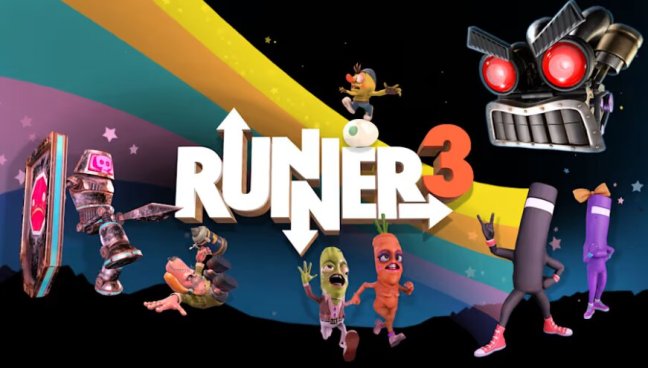
Runner3 is a colorful continuation of the Bit.Trip Runner series that delivers the same rhythm-based platforming foundation fans recognize, but it struggles to recapture the magic of its predecessors. Played on Nintendo Switch and tested on Nintendo Switch 2 through backward compatibility, Runner3 offers plenty of content, collectibles and replay opportunities, but questionable design changes, distracting camera choices and an unappealing visual direction prevent it from reaching the same level as the earlier games. Having previously enjoyed Bit.Trip Runner on Nintendo 3DS and completing Runner2 on Wii U, Runner3 was disappointing because it changes a formula that already worked instead of building on the strengths that made those games enjoyable.
The core Runner gameplay remains intact. Moving, jumping, collecting items and following the rhythm of each level still feels responsive and functional. The game understands the appeal of the series: learning patterns, improving timing and chasing better performances. Players who already enjoy the Runner formula will find the familiar gameplay loop here, along with additional challenges that encourage replaying levels.
Runner3 also provides a solid amount of content. There are plenty of collectibles to find, including gold runs and gem challenges that encourage players to return to completed stages. Multiple playable characters add variety, and fans who enjoy mastering levels will have plenty to do beyond simply completing the main adventure. As a continuation of the series, Runner3 delivers a complete package rather than a short experience.
The presentation is where Runner3 becomes much more divisive. The game is extremely colorful, but the exaggerated character designs, unusual environments and chaotic visual style often feel more distracting than appealing. The previous Runner games had a cleaner presentation that allowed players to focus on the rhythm and platforming, while Runner3’s environments and visual effects can make the action harder to read. The game clearly wants to embrace a strange and quirky identity, but that style does not always translate into an enjoyable experience.
The music and audio design are also disappointing compared with what a rhythm-focused platformer should offer. The soundtrack is serviceable, but very little of it stands out or creates the same memorable connection as the gameplay itself. Some background audio choices, including occasional yelling and unusual effects, feel more distracting than immersive. Ironically, the classic level completion music remains one of the most memorable sounds in the entire game.
The biggest issue with Runner3 is its experimentation with camera perspectives. The traditional Runner formula works because the player has a clear view of the path ahead and can react to obstacles through timing and rhythm. Runner3 introduces dynamic angle changes and automatic camera movements that often work against that precision. The camera shifting to different perspectives, along with sections where it zooms in automatically, makes some levels feel unnecessarily frustrating rather than innovative.
The problem is not the controls themselves. Runner3 remains responsive, and the basic movement feels fine. Instead, the issue is that the camera and level design choices interfere with the gameplay foundation. A series built around rhythm and timing benefits from consistency, and these changes frequently make the experience feel less predictable and less satisfying.
Some of the new level types also fail to match the quality of the traditional Runner stages. The mine cart sections in particular feel less enjoyable and do not provide the same sense of rhythm and flow. These additions make the game feel like it is trying to expand the formula, but not every experiment improves the experience.
Technically, Runner3 performs well on Nintendo Switch. Playing on Nintendo Switch 2 through backward compatibility provides a smooth handheld experience, and the game benefits from the convenience of being portable. Performance is not the issue here; the frustration comes from creative decisions rather than technical limitations.
For longtime fans of the series, Runner3 may still provide enough familiar gameplay and additional content to justify the experience. However, my previous experiences with Bit.Trip Runner on 3DS and Runner2 on Wii U were significantly more enjoyable. Runner3 feels like a sequel that misunderstands which elements made the earlier games so effective. Instead of refining the straightforward rhythm platforming formula, it introduces changes that often distract from it.
Final Score: 6.5 out of 10
Runner3 earns credit for maintaining responsive gameplay, offering plenty of content and giving fans of the series more levels and challenges to complete. However, the distracting camera changes, frustrating perspective shifts, forgettable music, chaotic presentation and disappointing follow-up compared with Runner2 prevent it from being a standout rhythm platformer. Fans of the series may still find enjoyment here, but newcomers and longtime players hoping for a stronger evolution may be left disappointed.
Pokémon Lens
Runner3 shares a connection with Pokémon through its emphasis on repetition, mastery and gradual improvement. Like learning a Pokémon’s strengths and weaknesses through repeated battles, Runner3 encourages players to replay levels, memorize patterns and improve their performance over time. However, just as Pokémon games depend on strong designs and memorable encounters, Runner3’s less consistent level ideas and presentation make that progression less satisfying than its predecessors.


One thought on “Runner3 Nintendo Switch Review | A Colorful Sequel That Struggles to Find Its Rhythm”