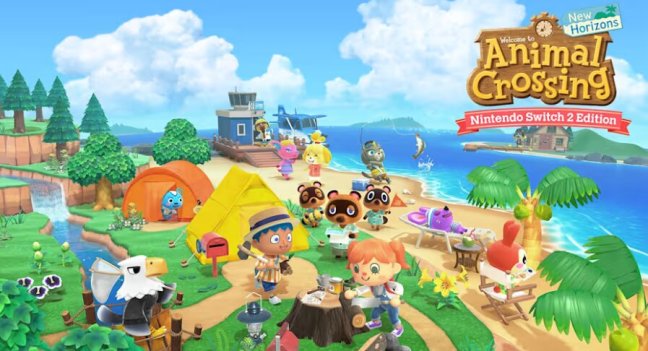
Animal Crossing: New Horizons is one of Nintendo’s biggest successes, bringing the relaxing world of island life to millions of players and becoming a cultural phenomenon. It is charming, polished and filled with more customization than any previous entry in the franchise, but for longtime fans, it also represents one of the biggest shifts in Animal Crossing history.
After more than 70 hours, I started my journey on the original Nintendo Switch before upgrading to the Nintendo Switch 2 Edition. I have played every major Animal Crossing game since the original GameCube release, including spending hundreds of hours with older favorites like Animal Crossing: Wild World, City Folk and New Leaf. Because of that history, my perspective on New Horizons is complicated. There is a lot to love, but it also moves the series in a direction that does not completely match what made Animal Crossing special to me.
The biggest change is that New Horizons transforms Animal Crossing from a cozy life simulation into a full island-design experience. For players who love creativity, customization and building their perfect island, this is arguably the best Animal Crossing game ever made. However, for longtime fans who enjoyed simply living in a town, forming relationships with neighbors and enjoying the relaxing daily routine, some of the original charm feels reduced.
Nintendo Switch 2 Edition Improvements
The Nintendo Switch 2 Edition is a welcome upgrade, although it is more of a technical improvement than a completely new experience. The biggest improvements are visual and performance-related. New Horizons looks better on Nintendo Switch 2, especially in handheld mode, where the improved display makes the colorful island environments look cleaner and sharper. Performance is also noticeably better compared to the original Switch version, especially on crowded islands with lots of furniture, decorations and objects. The slowdown that could frequently happen on the original hardware is much less noticeable.
Loading times are also faster, although starting the game still takes longer than expected. Once you are actually playing, however, the experience feels smoother overall. The megaphone feature is a fun addition, but it does not significantly change the way the game is played. Overall, the Nintendo Switch 2 Edition feels like the definitive technical version of New Horizons rather than a major expansion.
A Different Kind of Animal Crossing
The biggest evolution in New Horizons is the focus on customization. Previous Animal Crossing games were about moving into a town that already existed, meeting neighbors, improving your house and slowly watching your community grow naturally over time. New Horizons completely changes that formula by placing players on an empty island and making them responsible for transforming it into whatever they want.
There is definitely something satisfying about seeing your island develop. Unlocking new buildings, expanding your town and watching your progress is rewarding. However, the amount of freedom can also create pressure. Instead of simply enjoying life in a town, players are now expected to become designers, planners and builders. This is where New Horizons personally lost some of its appeal for me. I have always enjoyed Animal Crossing for its relaxing routines, small interactions and unexpected moments, not necessarily for creating the perfect environment. The game gives players incredible freedom, but that freedom can sometimes make the experience feel like a project rather than an escape.
Terraforming is the biggest example of this. Being able to reshape rivers, cliffs and the entire landscape is an impressive addition, and the creativity of some players’ islands is genuinely incredible. However, actually doing it yourself can be extremely time-consuming and tedious. Constantly adjusting terrain and rebuilding areas requires a level of patience and attention to detail that I simply did not find relaxing.
Older Animal Crossing games had a cleaner approach. The town developed naturally around you, which created a different kind of charm. New Horizons gives players more control than ever, but sometimes less control can create more memorable experiences.
Crafting Changes the Daily Routine
Crafting is another major change that separates New Horizons from previous games. The ability to create furniture, tools and items adds another layer of progression, but it also introduces more resource management into a series that has traditionally been about relaxation. Collecting materials and crafting items can become repetitive, especially when it comes to basic tools.
The durability system is one of my biggest frustrations. Having fishing rods, nets, shovels and other tools constantly break turns simple activities into a cycle of gathering materials and replacing equipment. After seeing similar durability systems in games like Breath of the Wild and Tears of the Kingdom, it is disappointing to see the same concept appear in Animal Crossing. Animal Crossing has always been about enjoying small daily activities, and needing to constantly maintain basic tools sometimes feels like unnecessary work.
The Villagers Are Still Charming, But Something Is Missing
The villagers remain the heart of Animal Crossing, and New Horizons does many things beautifully. Visually, the residents have never looked better. Their designs are excellent, and seeing them interact with the world is one of the most charming parts of the game. Watching villagers sing together, exercise, relax around the island and interact with furniture creates many adorable moments. However, longtime fans may notice that the conversations themselves feel less memorable than previous games. Older Animal Crossing titles made talking to neighbors feel like discovering unique personalities. Villagers felt more unpredictable, and repeated conversations often revealed more character.
In New Horizons, conversations can become repetitive much faster, and the game even prevents players from constantly talking to the same villagers. While the characters themselves look better than ever, they do not always feel as deep or personal as they did in earlier entries. For a series built around forming relationships with your neighbors, this is the biggest disappointment.
The Museum Remains a Highlight
The museum continues to be one of the best parts of Animal Crossing: New Horizons. It is beautifully designed, peaceful to explore and filled with impressive exhibits. Walking through the aquarium, fossil displays and art galleries remains one of the most relaxing experiences in the game. However, as someone who has played every major Animal Crossing entry, collecting fossils, fish, bugs and artwork naturally becomes less exciting after repeating the same process across multiple generations. The museum itself is fantastic, but longtime players may find the journey toward completing it less surprising than newer fans.
A Frustrating Decision: One Island Per Switch
One of my earliest frustrations came from starting the game on Nintendo Switch with a sibling. Animal Crossing: New Horizons only allows one island per Nintendo Switch system, meaning everyone using that console must share the same town. This feels like an unnecessary restriction and should have been an optional choice rather than a requirement. Eventually moving to my own island on Nintendo Switch 2 made the experience much better, but this remains one of the strangest design decisions in the game, especially considering how popular Animal Crossing is with families.
Final Thoughts
Animal Crossing: New Horizons is a beautiful, charming and incredibly polished game. Nintendo created an experience with unmatched customization, relaxing presentation and endless possibilities for players who want to design their perfect island. However, that same focus is also what makes it different from the Animal Crossing games I loved most.
The original games were about moving into a town, meeting neighbors, enjoying daily routines and watching a community naturally develop. New Horizons shifts the focus toward creating and managing a personalized island. For players who love designing, decorating and building, this direction is fantastic. For longtime fans who preferred the simpler life simulation elements, it can feel like something important was lost.
Despite those criticisms, there is still a lot to appreciate. The visuals are excellent, the atmosphere is relaxing, the villagers are charming, the museum is beautiful and the overall presentation remains unmistakably Animal Crossing. Animal Crossing: New Horizons is not a bad evolution of the series. It is simply a different one. Nintendo created one of the most accessible and creative entries in the franchise, but I still find myself preferring the natural charm and simplicity of older games like New Leaf and the original GameCube experience.
Final Score: 8.5 out of 10
Animal Crossing: New Horizons – Nintendo Switch 2 Edition is the best-looking and most customizable version of Animal Crossing yet. It successfully expands what the series can be, even if longtime fans may still miss the quieter, more organic experience that defined the franchise for decades.
Pokémon Lens
Animal Crossing and Pokémon share one important quality: both franchises are built around attachment. Pokémon creates memories through the creatures players catch, raise and travel with, while Animal Crossing creates memories through the neighbors and communities players build. However, New Horizons also represents a similar challenge faced by many Nintendo franchises: how do you evolve without losing what made the original special? Like Pokémon Pokopia, New Horizons explores the joy of creating a life alongside charming characters. But both games also show that sometimes the most memorable experiences come from unexpected interactions and organic moments rather than simply having more customization options.


One thought on “Animal Crossing: New Horizons – Nintendo Switch 2 Edition Review | A Beautiful Island Escape That Changes What Animal Crossing Means”