
The Pokémon Company is continuing to host official Play! Pokémon competitive events on a regular basis:
2025 Pokémon TCG Latin America International Championships Power Rankings
Are you ready for to watch three huge days of battles?
As the first International Championships event of the year, the Pokémon TCG Latin America International Championships is always a fascinating event to play in and watch. Competitors can make huge strides early in the Championship Series season and get on the right path toward a Worlds invitation.
This year, the competitors have their work cut out for them, as a large number of powerful decks will be on display. Legacy decks such as Lugia VSTAR continue to make waves, while newer Pokémon, like Terapagos ex, look to shine bright.
Fortunately for fans at home, our Power Rankings panel experts are here to give you insights on what to watch for when the exciting matches begin on November 15. Be sure to check out the battles, complete with expert commentary throughout, at Twitch.tv/PokemonTCG.
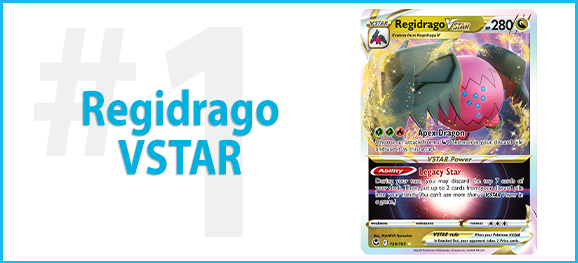
Regidrago VSTAR burst onto the scene before the World Championships and has consistently seen success at Regional Championships, including a win at the 2025 Pokémon TCG Lille Regional Championships by James Cox. Regidrago VSTAR has been plagued by an unfavorable matchup against Raging Bolt ex, especially since Bravery Charm became a staple inclusion in them. Regidrago VSTAR decks appear to have centralized with using Super Rod as the recovery engine and using Noctowl from Scarlet & Violet—Stellar Crown to assist them with finding those key Trainer cards at the right time, such as Energy Switch and Prime Catcher.
The options provided by the Apex Dragon attack have made this deck take the No. 1 spot in the rankings heading into LAIC. While many lists only have three attacking options, the combination of Kyurem’s Trifrost, Dragapult ex’s Phantom Dive, and Giratina VSTAR’s Lost Impact is often enough to get you over the line against any opposing deck, even if the matchup is slightly unfavorable. I would expect many experienced players to gravitate toward Regidrago VSTAR for this International Championships event because of the options it gives you when trying to race your opponent to six Prize cards. I’ve won many games with Regidrago VSTAR that I should have had no business winning thanks to the power of those three attacks, and I would expect it to still be doing that in São Paulo. — Natalie Millar
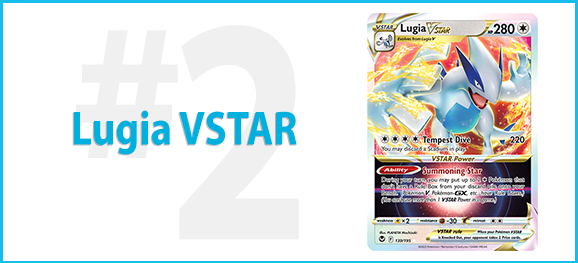
Here’s the most important question many Lugia VSTAR players face in a tournament—heads or tails?
No deck embodies a boom-or-bust mentality quite like Lugia VSTAR / Archeops. For players like Rahul Reddy—who has been on an incredible run with Lugia VSTAR since placing ninth at the World Championships—important games can come down to a Capturing Aroma flip or a Mesagoza heads. And that’s only after you avoid an opening hand of Iron Bundle and six Energy cards…
Any deck with 15+ Energy cards is always a shakier proposition in my mind, though the success of many decks of that variety can’t be denied. I think that most competitors have aligned on at least 55 of the 60 cards in the “best” deck list for Lugia VSTAR, so instead, the Pokémon’s viability is up to the metagame in my mind. If Origin Forme Palkia VSTAR / Dusknoir and Regidrago VSTAR are core features of the field at LAIC, Lugia VSTAR will be well positioned to take advantage of some of its best matchups. On the other hand, if a wealth of Iron Thorns ex show up in São Paulo, things will get quite dicey for Lugia VSTAR.
Ultimately, if I were playing in LAIC, I would probably aim for something meaningfully more reliable, but for players looking to take a bit of a chance, there’s no denying that Lugia VSTAR is a strong choice—you cannot beat attaching copious Energy from your deck, after all. I’m confident that someone will make a deep run with it, though, and I think that potential to win it all is why our panel is so optimistic. — Christopher Schemanske
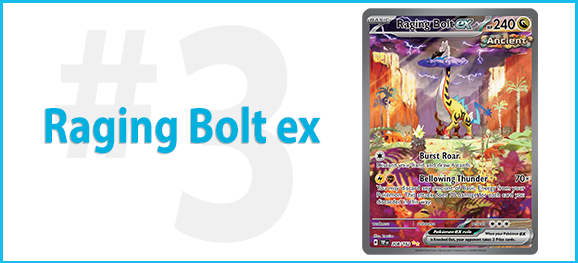
Raging Bolt ex is a powerhouse. It is a Basic Pokémon with 240 HP, no Weakness, and can do enough damage with its Bellowing Thunder attack to Knock Out any of the popular Pokémon ex or Pokémon VSTAR in one hit.
With a robust draw engine, and Teal Mask Ogerpon ex and Professor Sada’s Vitality to enable Energy acceleration from Turn 1 of the game, Raging Bolt ex can reliably Knock Out one of those multi-Prize Pokémon from the first turn it can attack. Such a combination of speed and power is unmatched in the Standard format.
Notice that all the decks in these Power Rankings share one thing in common—their strategies are centered on a Pokémon ex or Pokémon VSTAR. This is the perfect metagame for Raging Bolt ex to take six Prize cards in the first three or four turns.
I expect Raging Bolt ex to be particularly popular at the 2025 Latin America International Championships because its uncomplicated style of play will be attractive to both players who are new to the Pokémon TCG and those who have competition experience. — Ellis Longhurst
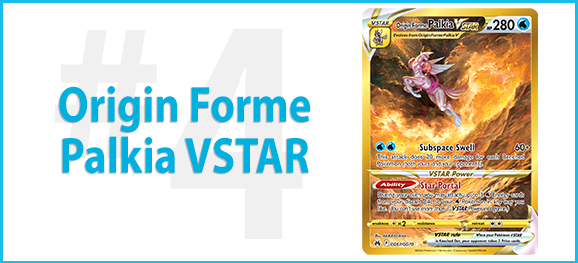
When Scarlet & Violet—Stellar Crown released, players were optimistic about its prospects with the new Area Zero Underdepths Stadium card, since with eight Pokémon on the Bench, Origin Forme Palkia VSTAR’s Subspace Swell could reach higher than its usual 260 damage maximum. While this idea didn’t work out in practice, Origin Forme Palkia VSTAR still found a role in the metagame in combination with Dusknoir. By using the Cursed Blast Ability, it is possible to take out Manaphy as early as Turn 2, letting Radiant Greninja use Moonlight Shuriken unimpeded, taking two Prizes off of key Basic Pokémon like Charmander, Ralts, Pidgey, and Dreepy, and taking a huge lead before the opponent can establish a strong board. The effectiveness of this strategy made Stage 2 decks like Charizard ex much less effective than they seemed at first. With the Fighting-type Greninja ex added to the mix, Origin Forme Palkia VSTAR can even handle bothersome Lightning-type Pokémon like Iron Hands ex and Iron Thorns ex.
However, against high-HP Pokémon like Regidrago VSTAR and Lugia VSTAR, which can’t be easily Knocked Out before they evolve, Origin Forme Palkia VSTAR is less effective. As these types of decks seem to still be the top threats of the metagame, Origin Forme Palkia VSTAR has to settle for an honorable fourth place in our rankings. — Stéphane Ivanoff

The poster Pokémon of the newest expansion, Scarlet & Violet—Stellar Crown, has a lot going for it, which could make it a real threat going into any big event. Thanks to Fan Rotom and Noctowl, the engine revolving around Terapagos ex is one of the strongest in the current format. Area Zero Underdepths allows Unified Beatdown to reach important numbers and gives more space for additional support Pokémon on the Bench, which also increases the deck’s consistency.
Dusknoir’s Cursed Blast Ability helps the deck reach even the mightiest of Pokémon and can be used to Knock Out multiple Pokémon at once, pressuring the opponent’s setup heavily from the start. Combined with Briar, it is not uncommon for Terapagos ex to take anywhere from three to five Prize cards in a single turn. In a tournament setting, this can be a massive advantage—being able to speed up the game and finish fast can turn what would otherwise be a tie into a victory.
I would describe Terapagos ex as a deck that is reliant on pressure and speed. As with any deck using Dusknoir, it’s strong at preserving the advantage given to it and not letting the opponent back into the game easily. However, when Terapagos ex finds itself on the backfoot, its relatively low HP can often make it difficult for the deck to launch any significant comebacks. For that reason, I am an advocate of running Bouffalant with the Curly Wall Ability to give Terapagos ex some extra staying power and make the deck more well-rounded. I have no doubt Terapagos ex could be a serious contender for this year’s LAIC! — Tord Reklev
Parting Shots
Stéphane Ivanoff: The Scarlet & Violet—Stellar Crown format is a very open one, and many decks beyond the top five are serious contenders to win LAIC. Charizard ex, Snorlax Stall, and Dragapult ex are the first ones that come to mind, but one that may slip off some players’ radar is Banette ex / Gardevoir ex. For a long time, it was a fringe archetype that a small group of Polish players believed in and brought to tournaments. Recently, though, more players have given the deck a try due to its strong matchup against many popular decks. Banette ex prevents the opponent from playing Item cards with its Everlasting Darkness attack, so a Stage 2 deck like Charizard ex can’t play Rare Candy to evolve into Charizard ex. Everlasting Darkness is also strong against Item-heavy decks like Raging Bolt ex and Origin Forme Palkia VSTAR / Dusknoir, as it severely limits these decks’ options. One can either keep the Item lock up all game (using Munkidori‘s Adrena-Brain Ability to complement Banette ex’s damage) or switch to Banette ex’s Poltergeist attack to take KOs and close out the game faster. The deck has many subtle and interesting lines, so it’s not easy to pick up, but for a tournament as competitive as an International Championship, I’m sure we’ll see some elite players bring it.
Ellis Longhurst: For the first time in a long time at an International Championships event, players will not be navigating the introduction of a new Pokémon TCG expansion to the card pool. The metagame of the Standard format is well established, so you may think it is easy to predict the winning deck of the 2025 Pokémon TCG Latin America International Championships. However, a variety of decks have won at Regional Championships around the globe since the release of Scarlet & Violet—Stellar Crown, and many others have placed in the Top 8…including Dragapult ex, Lost Box, and Charizard ex, which do not rank in our top five.
Picking the Champion player of the 2025 Pokémon TCG Latin America International Championships is just as difficult, but results from previous years indicate that there are a few who seem to receive a performance boost when competing at this event. Stay tuned to the official Pokémon broadcast to hear updates on Ciaran Farah from North America, Pedro Pertusi and Fabrizio Inga Silva from Latin America, Bryan de Vries from Europe, and Matthew Burris from Oceania. Each of these players has earned a place in the Top 32 at the last two LAICs, including a ninth-place finish or better.
Natalie Millar: LAIC is an interesting tournament because the new Scarlet & Violet—Surging Sparks expansion is not legal for play. This gives it a very different feeling to previous International Championships, as players aren’t scrambling to find ways to fit the new cards into the metagame and are instead focusing on refining the decks that already exist. The Scarlet & Violet—Stellar Crown metagame has been one of the most diverse we have seen in a long time, with several decks that didn’t make the top five that have the potential to win the whole event!
I would like to highlight Gardevoir ex and Dragapult ex, two decks that have won Regional Championships this season that didn’t make the list. Dragapult ex has a very strong matchup against Terapagos ex, as you can remove your opponent’s board with Phantom Dive and Dusknoir’s Cursed Blast Ability. Henry Chao’s turbo Gardevoir ex deck appears to be the best way to play the deck still, with Rare Candy giving you the opportunity to get a Gardevoir ex into play on Turn 2, and you can take advantage of the lack of Pokémon Tool removal in deck lists by using Drifloon aggressively. There are a ton of options for the Latin America International Championships, and I expect the metagame to be wide open for the final tournament of the Scarlet & Violet—Stellar Crown format.
Tord Reklev: Normally, the Internationals are the events that kickstart the official legality of new expansions; however, this year’s LAIC will be special. The new expansion, Scarlet & Violet—Surging Sparks, barely misses the event and will not be legal. That means we will be going into this International Championships with a very established metagame already. I am interested to see how this will affect players’ deck and tech choices. Regidrago VSTAR decks have been on a tear recently, while Raging Bolt ex consistently is the most popular deck in the room on the first day of competition. I think Lugia VSTAR potentially can take advantage of the situation, having a favorable matchup against both.
It would also be fun to see an underdog deck such as Miraidon ex run away with the event, like what happened last year with Juho Kallama. My personal favorite, however, is the engine featured in Terapagos ex, and it will be the deck I’m cheering for to take it all this year.
Christopher Schemanske: We’re in the beautiful season of the Pokémon TCG’s Standard format where there are a lot of legal cards, but we’re also in a funny patch where players have been playing a very similar format for quite a few events now. For players, the large card pool presents a lot of opportunity for innovative options to take hold, but at this stage, if anyone was sitting on a secret plan, I imagine they’d have tipped their hand at one of the recent Regional Championships. The biggest innovations at LAIC might be small adjustments in card counts or an unforeseen tech, rather than a new deck altogether.
As a player, these late-stage events can be immensely rewarding—imagine spending months perfecting play with a deck and having the opportunity to show that off at one of the game’s highest stages. They can be immensely frustrating, too, of course—all of that preparation into a quick 0–2 start can be pretty depressing. As a viewer, though, the intrigue will come from what’s not yet seen. Someone will have inevitably crafted a deck envisioned to crack the metagame—the only question is whether it will work! For better or worse, my prediction is that this LAIC unfolds pretty in-line with our expectations for Regidrago VSTAR / Lugia VSTAR / Raging Bolt ex…but we’ll have to watch to find out!
Don’t miss the action at the 2025 Pokémon TCG Latin America International Championships from November 15–17 at Twitch.tv/PokemonTCG.
And for more Pokémon TCG strategy and analysis, visit Pokemon.com/Strategy.

Natalie has been playing Pokémon casually since late 2013 but started attending more competitive tournaments in late 2017. She won the first Regional Championships after the pandemic in her home city of Brisbane, Australia, and has been attending most major tournaments since. Outside of Pokémon, she studied psychology, but it doesn’t help with reading opponents as much as you would think. You can find her at most major tournaments and can follow her on X at @nataliem9999.

Christopher Schemanske is a contributing writer for Pokemon.com. He’s been playing the Pokémon TCG since 2010, with a streak of Worlds invitations between 2012–2018. Nowadays, he enjoys splitting his Pokémon time between playing and being part of the awesome Professor staff teams at major events.

Ellis Longhurst is a contributing writer for Pokemon.com. She has been competing in high-level Pokémon TCG tournaments since 2006 and creating written content for the Pokémon community since 2011. Now she brings some Australian flavour to the Play! Pokémon commentary teams at the International and World Championships.

Stéphane Ivanoff is a contributing writer for Pokemon.com. A longtime Pokémon fan, he has played the Pokémon TCG competitively since 2010 and is a former National Champion, seven-time Worlds competitor, and the 2018 and 2019 North America International Champion in the Masters Division. He studied mathematics and has a degree in Probability and Statistics, but he says that doesn’t help his game as much as you’d think! You can follow him on X @lubyllule.

Tord Reklev is a contributing writer for Pokemon.com. He is a longtime player from Norway, playing the game since he was 6 years old. In becoming Champion at the 2022 Latin America International Championships, Tord is the first player to win all four International Championships and complete the Grand Slam. Outside of the game, he is a student and enjoys playing tennis. You can find him at most big events and can follow him on X at @TordReklev.
Source: Pokemon.com
2025 Latin America International Championships VGC Preview Roundtable
Pokémon VGC experts weigh in on the biggest storylines and Pokémon teams expected out of São Paulo.
The first International Championships event of the 2025 Pokémon Championship Series is right around the corner, and the Pokémon VGC environment has arguably never been more exciting. The 2025 Pokémon Latin America International Championships in São Paulo, Brazil will feature Regulation Set H, a unique ruleset where Legendary Pokémon and Paradox Pokémon are banned, potentially allowing tons of different Pokémon to run amok.
A wide variety of Pokémon from Tentacruel to Yanmega have succeeded in this lower power environment, and it feels like every event features a wonky new strategy ready to turn the format on its head. Powerful Pokémon like Incineroar and Kingambit continue to make their mark and challenge these new ideas rising to the top, so will creativity or consistency take the crown at LAIC? We don’t have the answer to that question, but we know just the people who might.
We’ve gathered three amazing experts for an exciting roundtable to talk us through what the metagame has in store for fans at LAIC this year: Joe Ugarte, Lou Akcos-Cromie, and Aaron Traylor, joined by Chris Shepperd from Pokemon.com. From intriguing Pokémon to top players to surprise strategies, the group has it covered. Read on so you’ll be ready to watch all three days of action, from November 15 to November 17, on Twitch.tv/Pokemon.
Shepperd: OK, well, let’s kick this thing off! Thanks everyone for participating in another roundtable.
Ugarte: Happy to be here!
Ackos-Cromie: I’m super excited! We just wrapped up the Lille Regionals and it was EPIC! The whole season has been awesome so far, in all honesty.
Shepperd: This is a great format to talk about, so I’m super excited to learn more myself. Lou, let’s start there! What’s the feeling been about this season? What have people enjoyed about the current format?
Traylor: The ban on Legendary Pokémon in Regulation H has a lot of people excited to play, Chris. I can’t tell you how many people I’ve spoken to at my local tournaments and in the community who are giving competitive play another shot now that a wider variety of Pokémon are available to them.
Ackos-Cromie: I think taking restricted Pokémon out of rotation has really enabled team building to get super creative again. Some Pokémon have been consistently strong for the first time, like Sneasler—and old favorites like Rillaboom and Kingambit have been popular.
Ugarte: I think a really cool part of this format is how diverse it is, and how you can make so many unique picks work! You have the capability to really innovate on some Pokémon that typically don’t have play, along with also being able to bring back some fun Pokémon from previous formats due to the lower power level.
Shepperd: I can see how this format can be exciting for both newer players and for crafty teambuilders.
Ackos-Cromie: Lille really flipped the team-building script. We saw Hisuian Samurott, Hisuian Decidueye, Avalugg (yes, really!), and Tentacruel do well, to name a few. And let’s not forget that the throwback duo of Tyranitar and Excadrill actually won the whole thing! It was really inspiring and exciting to be a part of—I can’t wait to try out some of the Pokémon I spotted in day two in my own teams over the next few weeks.
Traylor: I personally really like restricted formats for the complexity of play that they bring. And, honestly, they do bring some unique strategies and Pokémon, like Farigiraf and Bronzong, to the forefront. I think it’s much more about perception of the format than anything.
Ugarte: Right, I think the notable difference between restricted building and non-restricted building is the approach.
Traylor: LAIC is going to be awesome for Regulation H, though—the biggest international tournament of the format!
Ugarte: Usually the more niche picks for restricted team building are centered around supporting a specific piece, whereas in the lower power level non-restricted team formats, the roles are more team oriented and there’s a bit more flexibility in what they can be.
Ackos-Cromie: Restricted formats have their own merits for sure, but I think people are enjoying the changeup post-Worlds. I think we’re seeing differences based on region for sure.
Shepperd: Has the season had a lot of “flipping the script”? Is any metagame to speak of just a momentary flash?

Traylor: Great question, Chris. I think the metagame is evolving at a pretty quick pace because of the newness of the format, as well as people exploring some new tools for the first time—such as Sneasler, as well as Magmar and Electabuzz with Vital Spirit and Follow Me. …Well, some new old tools in the latter case. And some old new tools in the former (from ancient Hisui).
Ugarte: I would say that the metagame is open but still has a clear progression, and there are certain meta teams you have to respect. For example, a lot of the strong balance teams created throughout the format still have merit at every event. That being said, it does feel like more people are opting to create and use more unique builds than previous formats. I also think, because of how many events we have had before LAIC, it’s given so many opportunities for the metagame to continue developing.
Ackos-Cromie: I think weather is really emerging as a mechanic we are seeing. Sun and rain have always been popular. But there is this team composition with Alolan Ninetales that has been in three Regional Finals and has gotten some victories too! Having the snow to improve the accuracy of Blizzard and give Ice-type Pokémon a Defense boost has been really helpful in certain matchups.
Shepperd: You’re all throwing out Pokémon names that we almost never get to see here. As fun as it is for players, that’s absolute nirvana for viewers. Joe, when you say “unique builds,” do you mean where they’re coming up with a fresh team, and not necessarily just iterating on a popular one?
Ugarte: I mean, in the end, most teams will be iterations on specific compositions to a degree, but I would say building concepts that include some niche or less common Pokémon as important tools to make those teams function.
Shepperd: Got it!
Ugarte: We have already discussed some of the niche Pokémon that have done well, but my thoughts go to Pokémon like Wolfe’s Yanmega, Parker Simmons’ Exeggutor, and Edu’s Hisuian Samurott.
Ackos-Cromie: Yes—Exeggutor in particular has really found a lot of success lately.
Shepperd: Does this format allow for more surprises for players? Do they have to be more prepared for the unexpected?
Traylor: One sign that experienced players look for as a sort of “Oricorio in the coal mine” (if you will) for metagame centralization is whether a strong team can have a splashy finish, catch a lot of attention, and gain usage percentage and results that continue over time.
We’ve seen two big opportunities for this to happen: a team of Dragapult, Sneasler, Primarina, Kingambit, and Rillaboom with Magmar or Electabuzz—and Gabriel Agati’s Dragonite, Alolan Ninetales, Kingambit team that Paul Chua used to get second place at Baltimore. Both Gabriel Agati and Sebas Escalante also used that team in the finals of the Joinville Regionals in LATAM. Both teams gained popularity, but neither has really stuck around as ahigh usage, top-placing demon of the format in the way it has in the past, and the format has continued to evolve.

Ackos-Cromie: It’s good analysis, though! And I agree that the team itself is being picked up, but it’s not overly dominating the meta, which is quite refreshing. Its consistency in results, though, is impressive, and I would be surprised to see it become more dominant over the next few events. Or maybe a counter will be produced—we’ve already seen a rise in preventative measures to status afflictions, like Misty Terrain or Lum Berry, to counter Sneasler’s devastating Dire Claw.
Ugarte: Building on Aaron’s point, in formats there are typically strong builds that permeate through the format’s life cycle and are key threats to always respect. But the “best” teams still feel very beatable and don’t usually require a lot of specific resources in your team building to beat, which I think is overall a good thing.
Shepperd: Yeah, it seems like this format isn’t going to have a dominant team everyone has to build against.
Traylor: This is a really good thing for format health—I don’t think people would mind for the most part if we had this format up until Worlds.
Ugarte: I think back to Regulation F’s Raging Bolt balance… That team was a nightmare in the format because of how strong it was, and it really bogged down the format’s remaining development ‘cause it beat so many teams.
Shepperd: This is all good discussion for heading into LAIC. We’re less than a month out and we’re coming off some big Regional events. What can players glean from recent competitions that will instruct them on what to do in São Paulo?
Traylor: This is a great question. I think it’s important for teams to have multiple ways to threaten opponents; you can’t go all-in on one strategy, because if your opponent can cover for it, you’re on the back foot immediately. But no team can cover for every threat, and if your Pokémon have lots of different ways to work together, you’ll have more opportunities to exploit weaknesses in your opponents’ teams.
Ugarte: I think despite the fact there are many unique teams, there are cores of teams you need to respect. These are some of main ones that come to my mind.
- Double Dragon Snow: Alolan Ninetales, Dragonite, Garchomp, Kingambit
- Bulky Trick Room: Ursaluna, Incineroar, Amoonguss, Porygon2
- Gholdengo setup: Incineroar, Amoonguss, Sneasler, Gholdengo
- Standard rain core: Basculegion, Pelipper, Amoonguss, Archaludon
- Psychic Spam: (Typically) Male Indeedee, Sneasler, Delphox
- Hard Trick Room: Hatterene, Female Indeedee, Torkoal, Ursaluna
- Kingambit SD Balance: Electabuzz or Magmar, Kingambit, Primarina, Rillaboom
Ackos-Cromie: I think the main takeaway I got from Lille was that you need to be intensely well-versed with your team and ensure it has flexible options. We often saw “hard Trick Room” or “pure sun”-based teams struggling in the best-of-three scenario because their opponents had adaptations they could make. Additionally, there are some Pokémon out there like Corviknight or Dondozo that you need to have an answer to or game-plan against; otherwise your opponent will be able to exploit that weakness and get the victory. There are also some Pokémon you will not have had on your bingo card that you need to at least have some knowledge or use game one to find out about. The team-building options are so varied right now that there should be plenty of room to find them—it’s just whether players can find the time or find a cohesive core to work with.

Traylor: Oh, let’s go Lou—same hat!
One example of healthy synergy is Dragapult and Sneasler, which work well together as a lead combination, but can also apply that pressure alongside other strong Pokémon on your team.
An example of something that is less flexible but still strong is Annihilape and Maushold with Beat Up. It’s an incredibly strong combo, but many opponents at an international level will have a lot of knowledge about how to play around it. Putting Beat Up on your Maushold takes away flexibility in the long term.
Ackos-Cromie: We clearly have fashionable hats, Aaron.
I think you raise a good point there, too, Joe. Setup is everywhere at the moment, from Nasty Plot users on the special side to Swords Dance on the physical side—not to mention the Bulk Up or Iron Defense options too! We saw a big rise in Haze users in Lille for this exact reason.
Traylor: Yes, great point—it’s hard to have one Pokémon just burst through your opponent’s team, so setting up can be key. There’s also a corresponding uptick in Unaware Pokémon such as Clefable and Dondozo (maybe even on its own, perhaps).
Ugarte: To follow up on Lou and Aaron’s comments, the teams that I had mentioned before all operate in a way where you are playing to enable a certain Pokémon or strategy, whether it’s through enabling your Kingambit with Swords Dance along with redirection, utilizing Dragapult and Sneasler’s useful offensive synergy, or taking advantage of Nasty Plot Gholdengo next to Incineroar and Amoonguss.
Shepperd: I think you’re heading toward what I’d like to discuss next. It’s a wide-open format, but there are clearly some trends and specific Pokémon that have risen to the top. Joe, you put together a nice list to start.
Ugarte: They all have defined visions and ways they play to win the game, whether it’s through direct offense or setting up for a win condition
Shepperd: Explain “hard” Trick Room vs. the regular Trick Room teams we’ve seen in the past.
Traylor: Hard Trick Room is fully committal to Trick Room—perhaps the fastest Pokémon on your team is a minimum-Speed Gallade. If Trick Room gets up, you likely win. If your opponent can stop it, you likely lose.
Ackos-Cromie: Exactly—it’s an all-eggs-in-one-strategy-basket approach.
Shepperd: That’s what I was guessing. Why is a build like that popular now compared to previous Trick Room teams, which were much more situational?

Ugarte: Trick Room is less of an option than a requirement for the team to function in most cases, where at best you have one non-Trick Room mode, but you’re still fairly dependent on it. Some Pokémon that are used to try and give a bit more flexibility are Hisuian Zoroark or Hisuian Lilligant and Exeggutor.
Ackos-Cromie: I don’t know if it is reflective of the format, honestly—I’ve seen hard Trick Room teams in most formats, but I think people are really testing them out again as there are newer Pokémon to experiment with in the compositions.
Traylor: Hard Trick Room is an archetype that has seen many evolutions through many different generations and formats. In Pokémon Scarlet and Pokémon Violet, it’s mostly enabled by Female Indeedee with Trick Room.
Ugarte: I think when the power level is lower in a format, hard Trick Room can thrive a bit better because you can use weirder Pokémon to help enable it to do better. Following up on what Aaron said too, it’s worth noting that Male Indeedee is now seeing a niche on a new form of Psyspam that has recently been developing more than hard Trick Room.
Note: “Psyspam” teams use Indeedee’s Psychic Surge Ability to let attacking Pokémon fire off powerful Expanding Force attacks into both opposing Pokémon.
Shepperd: Does the lack of overwhelmingly strong Pokémon make team styles more important?
Ugarte: I think you can definitely approach teambuilding a bit more uniquely and can create differently functioning concepts that are a bit less linear. I would say that the lowered power level still allows certain Pokémon to flex their muscles a bit as a product of less powerful Pokémon being around.
Traylor: The win conditions for hard Trick Room are very straightforward and the team introduces variance in complex ways, which creates challenges for your opponent no matter who they are. If I lead Indeedee and Gallade, am I going to use Follow Me and Trick Room? Am I going to Protect with Gallade and Trick Room with Indeedee? Am I going to Wide Guard and Trick Room? Am I going to Follow Me and attack? Et cetera.
It’s a great team to give to beginners for these reasons—introducing variance against experienced opponents is a great way to ensure an even playing field. The variance is a real double-edged sword, though, and it’s hard to control whether you come out on top for the same reasons.
Ugarte: My mind immediately jumps to Hisuian Typhlosion using Eruption in sunny weather, Ice–Tera Type Alolan Ninetales using Blizzard with Choice Specs, and Psychic–Tera Type Delphox using Expanding Force in Psychic Terrain.
Traylor: Male Indeedee is definitely picking up in usage, too—finally, the forgotten sibling gets to share the spotlight.

Ackos-Cromie: For me, it’s like a different kind of balance. Hard to articulate, but I’ll try. We’ve seen balanced teams previously in formats where teams really focus on alignment and board positioning, forcing constant adjustments and setting up an opportune moment to strike. Lots of switches and defensive plays. The balance at the moment is more like the “big picture” of the meta. We are seeing such diversity in terrain, weather, Pokémon types, moves, archetypes, etc., that the overall meta is really balanced and teams have strengths and weakness which don’t necessarily mean you have an “auto loss.” This leads to exciting thrillers, rather than drawn-out matches. At least in Lille, this was very much the story.
If you haven’t watched it, please go watch Nils’ Top 4 and Finals game three set. Male Indeedee was absolutely on a rampage and literally left me speechless!
Ugarte: I think Nils winning is a great example of how this format has so much more innovation left.
People obviously look at the six Pokémon at face value, but I thought the tech of Corviknight holding Psychic Seed and using Bulk Up and Power Trip was genius.
Ackos-Cromie: Yes! Power Trip was such a throwback!
Traylor: Incredibly cool—I don’t know if we’ve ever seen Power Trip succeed at such a high level outside of rogue Eevee strategies in 2017.
Ugarte: Typically, Gholdengo is one of Corviknight’s worst matchups, and the tools Nils had allowed that matchup to be a lot more doable.
And yeah, Power Trip is such an interesting move that doesn’t get much play because of how fast paced VGC is relative to Single Battles and how you want to build up your momentum fast. It only really works on fast, aggressive setup strategies, or Pokémon that can sit there for a while and set up, which Corviknight can. I think it’s also worth noting that Sneasler with Coaching helps Corviknight get going even faster too.
Ugarte: Bulk Up, a Coaching boost, and a Psychic Seed boost—in one turn, you’re making your Power Trip hit for insane amounts of damage.
Shepperd: With so many different teams and tactics in play, what would you tell spectators to watch for to make sense of it all?

Traylor: I think what I would say to spectators, as Joe is alluding to above, is that you have got to watch out for the type chart—the real foundation of everything in competitive Pokémon. Normally, Gholdengo resists every attack Corviknight wants to use. When Corviknight has the supereffective Power Trip, that’s a different story. These interactions make Pokémon fun and interesting.
Ackos-Cromie: I think a lot of veterans are “throwing back” to wisdom learnt from past formats as well, giving them a different perspective when it comes to teambuilding. Nils also having the sandstorm core and seeing Pokémon like Primarina and Garchomp shows there is an edge veterans might have when it comes to being more comfortable with these types of teams.
I would tell spectators to watch out for Gastrodon, obviously.
Shepperd: Obviously.
Ackos-Cromie: Sorry I had to—plus, it’s actually valid. It got a Top 8 finish in Louisville, so it has credibility right now too.
I think viewers also need to watch out for the game two adjustments. There’s a lot you can learn about a team in game one right now, especially when they’re more unique, and knowledge about Speed and total defense may not be as commonly known. So seeing how players adapt to that information throughout the set and pull out new tricks and strategies to work around it will be interesting.
Traylor: Definitely! There’s no guarantee that two games in a row are going to be even remotely similar.
Ugarte: I think this format also allows you to use some wacky item combinations and move combinations that are really cool, allowing people to come up with creative solutions to issues that a team might have.

Shepperd: A lot of really innovative and original Pokémon builds have been thrown out during the conversation, but is there a core of Pokémon that people should expect to see a lot of?
Traylor: AMOONGUSS INCINEROAR GHOLDENGO!
Ackos-Cromie: Little louder in case anyone missed it!
Ugarte: I would say you can’t play a tournament in this format without respecting rain Teams, Incineroar/Amoonguss/Gholdengo, Alolan Ninetales balance, Kingambit Swords Dance balance, and all forms of Psychic spam.
Also, every team probably should have a Dondozo check…
Shepperd: That’s…a lot.
Ugarte: The joys of a wide-open format! And there’s probably even more I’m missing. But I think one thing worth noting is certain checks to certain teams carry over between matchups.
Traylor: As always, the Pokémon [I mentioned] are an extremely powerful core that has a ton of flexibility. It’s a real check to see if opponents can survive the pace at which they play. Andrew Zheng just used those Pokémon in a masterclass performance to win his first ever Regional Championships!
Ugarte: So, for example, if I run Primarina with Misty Terrain, it covers for Ursaluna, Amoonguss, and Incineroar—and also covers for Psychic Terrain matchups (to a degree).
Traylor: I think it’s important to watch out for strategies that have really explosive Turn 1s, such as Choice Band Dragapult with Sneasler, or Tailwind with a heavy-hitting partner.
I guess Archaludon or Annihilape with Maushold with Beat Up or Population Bomb would work there as well.
Ugarte: Yeah, there are so many different teams that can operate completely differently with pacing.

Ackos-Cromie: I think the six cores that have been in finals (Dragonite, Amoonguss, Kingambit, Incineroar, Alolan Ninetales, and Garchomp) will pick up even more. There will also be a lot of Sneasler around, possibly on the same squad as Volcarona or Kingambit.
You’re right about Dondozo too, but at least it’s solo Dondozo at the moment, as Tatsugiri has had enough of being eaten! The Fissure and Yawn strategy can be tricky to deal with, though.
Ugarte: Absolutely. Solo Dondozo seems to be a bit more popular, but it’s still worth being careful about the two as a pair. Carson Confer made a strong run in Louisville with them.
Traylor: I think a key team building element is that you need to be flexible in the face of your counters, as well. Maushold with Population Bomb can not only attack your own Archaludon for boosts with Stamina, but it can also threaten your opponent’s Pokémon. Ursaluna really wants its burn from Flame Orb, but in the face of Misty Terrain Primarina, an unboosted Headlong Rush will still do the trick.
Shepperd: OK, that’s a pretty good picture of the Pokémon to watch for, but someone’s got to choose the attacks. Which players should we keep a particular eye on in São Paulo?
Ugarte: I’d have to say, I’d be very interested to see how Gabriel Agati performs at LAIC—whether he still uses the same team that’s been performing great over the course of the format or opts for something new going into the tournament.
Ackos-Cromie: Agreed—and Sebastian Escalate.
Shepperd: A couple players who get to compete in their own backyard.
Ackos-Cromie: I actually think the Latin American players in general will be very interesting to follow. The Lima Special Event was recently won with a Flamigo, and so I think their creativity will also be fun to watch!
Ugarte: I’d also be very interested to see Aurelien Soula—their story felt a little incomplete to me after Worlds, and I feel like they still have that drive to win a major.
Ackos-Cromie: Other notable names include some of the Italian community. Marco Silva will be trying to defend the title! But I also think Mattia Cognetta has a lot of potential. It’s his first year in the Masters division. He had a lot of credibility as an International Champion and had a good showing in Lille. One to watch!
Ugarte: The Italian players have been on a roll recently. Definitely a new Pokémon Renaissance for Italy. World champ, multiple players throughout European top cuts—most being specifically from the same friend group/team as well. Italy has been incredibly strong as of late.
Traylor: Juan Salerno finished Top 4 at Joinville Regionals; he had a strong season in 2023 as well. Definitely another name to watch out for.

Shepperd: Who are some of the North American players to look for?
Ackos-Cromie: Is the Louisville runner-up going? I hear he’s doing well at the moment.
Traylor: Joe Ugarte!
Ackos-Cromie: That’s him!
Shepperd: Yep, he’s on my list.
Ugarte: Y’all flatter me too much.
Traylor: Do we know who is going?
Ugarte: I’m really excited for Brazil! It’s always a great time, and you get to have great games of Pokémon.
Ugarte: I believe Justin Tang is going, and he’s always a threat to take it home.
Traylor: LAIC is hard because the travel is such a bear, and EUIC and NAIC are a lot easier to get to for both EU/NA folks.
Ackos-Cromie: I actually think viewers should watch out for new names.
Traylor: I wonder if past LAIC winners such as Carson Confer, James Baek, and Ashton Cox are considering another trip—definitely names to watch out for.
Ackos-Cromie: NA in particular has a habit over the past few seasons of having newcomers absolutely break out with fantastic runs early on in their Pokémon career—so looking out for new names and following their journey through the tournament could be a great storyline!
Ugarte: Lou is making a great point; it definitely seems new American talent is popping up every tournament now. From Tim Edwards to Patrick Connors at both of the most recent International Championships.
Shepperd: It feels like this format should also be of interest to longtime players who can lean on their experience of past formats too.
Ackos-Cromie: It’s a really nice mix to be honest—lots of newer players finding the game more accessible and intriguing to play, and veterans being able to use experience to make themselves more adaptable and see more win conditions than newer players.
Shepperd: Yeah, Lou. Joe mentioned that this is a wide-open format. It seems like anyone who puts their mind to it can come up with something crafty.
Ugarte: Some other NA names to note are Brady Smith and Kyle Livinghouse, both strong players in their own right and no stranger to attending LAIC. We also can’t forget about some of the most consistent players this format. Junxi top-cutting both Baltimore and Louisville and Riley Factura—arguably one of NA’s best right now.
Shepperd: Is that the vibe, or should we still always expect top players to rise to the top?
Traylor: It seems like part of the draw of LAIC is getting to experience Regulation H on the big stage.
Ackos-Cromie: I think both. You can’t underestimate anyone right now.
Traylor: Riley will definitely be there. Definite name to watch for sure. He got Top 16 last year too, right?
Ugarte: He got Top 4 last year, when he was on that monster run with the same team he used throughout all of Regulation E.
Traylor: I wonder if Alberto Lara will make the trip; we just saw him at Lille in day two as well—this is totally his kind of format.
Ackos-Cromie: Yeah, he’s having a great time with Corviknight and Garchomp!

Shepperd: OK, one last chance to get spicy. What are your hottest takes for LAIC?
Ackos-Cromie: GASTRODON.
OK, for real…
Ugarte: Corviknight, Garchomp, screens, ride into the California sunset…the Alberto Lara way.
Ackos-Cromie: I expect weather to win again—not sure which, but weather setting will be part of the team.
Traylor: My hot take is that Ursaluna isn’t done with this format yet—I think we’ll see the bear take it all. Either of the bears. It’s important to bet on Pokémon with multiple powerful forms.
Ugarte: I think that my hot take is that we will see an America vs. EU finals this year. Specifically, Italy vs. USA would be my prediction.
Shepperd: With all the amazing South American players in the field, that is a hot take!
Ackos-Cromie: I think a previous IC finalist will win it all this year. There are a lot of veterans out there proving their consistency—I think they will go all the way as they’re hungry for that prestigious win.
Ugarte: Absolutely, they have so many strong players, and I’d absolutely be happy to see my hot take be incorrect, as so many players deserve to be on that final stage.
Traylor: I think we’ll get some awesome streamed games between LATAM’s finest defending their championship from players from all over the world. I really can’t wait.
Ackos-Cromie: LAIC is also the International Championship for video games where we’ve seen double winners—Ashton Cox won it twice and Marco Silva has won two International Championships, including LAIC.
Ugarte: Thiago Lattanzi vs. Marco Silva rematch, round one!
Traylor: Thiago Lattanzi is a great name to mention—he is an extremely strong Trainer who really popped off at last year’s LAIC. Who knows what he’s brewing for this one.
Ackos-Cromie: If viewers like making bingo cards for the broadcast, they might need a bigger card!
Shepperd: This has been a great discussion. The diversity of Pokémon alone should make this a fascinating competition to watch. And this is (I think) the largest LAIC, so there’ll be no shortage of names to watch for. Any last thoughts for viewers before we wrap up?
Ugarte: Absolutely. With such a large International Championship, who knows what’s gonna happen! To be honest, I think Regulation H is a very special format… I would maybe even argue one of the most creative and unique in the Pokémon Scarlet and Pokémon Violet era. I was super skeptical coming into the format, but it’s been a pleasant surprise. I would say to enjoy it while it lasts; it’s a one-of-a-kind of format in my opinion.
Traylor: I personally can’t wait for Regulation G again. But I’m excited to see the tail end of Regulation H play out!

Ackos-Cromie: Agreed. It’s going to be a very unique event where we really get to see all the creativity in this format brought to one place from all around the world. It’s going to be very special.
Ugarte: Also, Jumpluff #1. Had to throw that in there quick.
Shepperd: Alright, thanks everybody! This was another really fun chat.
Ugarte: Thanks for having us, Chris! Always happy to be here.
Ackos-Cromie: Thanks again, Chris! It’s been great chatting to everybody.
Traylor: Thank you for having us! This was a lot of fun.
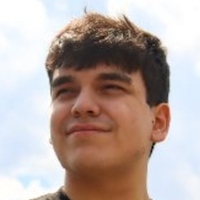
Joseph Ugarte is a full time VGC competitor and content creator. Competing since 2017, he has had three Top 4 placements in Internationals, two Worlds Top Cuts, and two Regionals wins, along with lots of other strong Regional finishes. He loves being involved in the community efforts to grow and expand the game further!

Lou Akcos-Cromie has been an official Play! Pokémon commentator since 2017 and has been honored to cast multiple International and World Championships in her career so far. As the #1 East Sea Gastrodon fan, she is always excited to see her favorite Pokémon do well, but is also intrigued by off-meta picks that catch her by surprise! Outside of Pokémon, you can most likely find Lou surrounded by cats or teaching English and Debate in the school classroom.

Aaron Traylor has been competing in the VGC since 2011. He placed in the Top 8 and the Top 16 at the World Championships in 2016 and 2019, respectively. He believes that the friendship between Trainers and their Pokémon is ultimately what leads to success in battle. Outside of Pokémon, he is a graduate student studying computer science and cognitive science.
Source: Pokemon.com
Pokémon GO Latin America International Championship Preview
An evolving meta and field of highly talented Trainers should make for an exciting event.
By Payden “ItsAXN” Bingham, Contributing Writer
The 2025 Pokémon GO Latin America International Championships (LAIC) is just around the corner, taking place in São Paulo, Brazil, from November 15 to 17, 2024. During this event, hundreds of Trainers from around the world will look for their chance to etch their name as the first International Champion of the season. Following the massive meta shakeup after the 2024 World Championships, a fresh new set of Pokémon have come out on top. While a few Pokémon have been consistent throughout the first few months of the 2025 season, it can’t be understated how much the top picks have changed between every Regional Championship so far. The next LAIC Champion will have to be a Trainer that not only has the ability to outplay their opponents, but also has a complete understanding of where the competitive meta is heading.
Trainers to Look Out For
There are many extremely talented Trainers attending LAIC this year, which makes it difficult to narrow down who the favorites are. Trainers who have won multiple regional titles, Trainers who have top cut nearly every event they go to, and even Trainers who have won international titles in the past will all be looking to take the win home this year.

Starting with a few Trainers from Latin America, we have none other than last year’s LAIC Champion, LNDsRargef. During his run last year, he not only went the entire tournament without losing a single match, but he also only lost four individual battles out of 24. But that’s just the beginning of his accomplishments—he also won the 2024 Curitiba Regional Championships and came in fifth place at the 2024 North American International Championships. To top it all off, he won his very first event of the 2025 season, the Joinville Regional Championships. LNDsRargef’s ability to read the meta, build teams, and perform consistently is nearly unmatched.
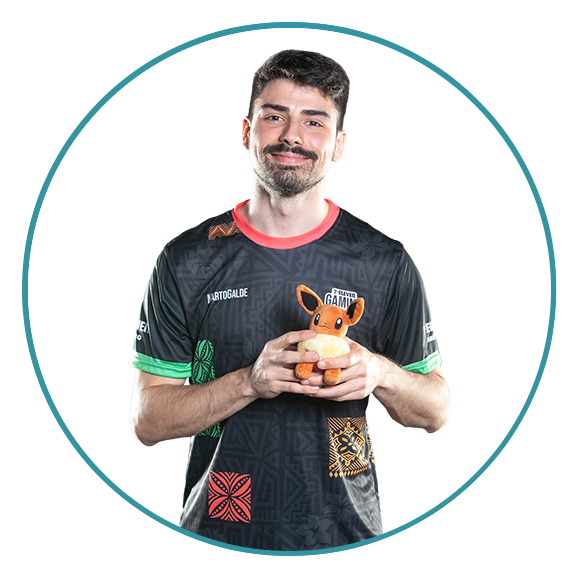
The next Trainer residing in Latin America that deserves the spotlight is MartoGalde. At the 2024 Pokémon GO World Championships, MartoGalde was the highest performing Latin America player, placing third and only losing to Worlds runner-up Inadequance and World Champion Yekai0904. He is also one of only three Trainers who have been able to reach Top 8 at World Championships twice. While MartoGalde has not won an event since the 2022 season, his consistent top cut performance throughout each season speaks for itself, and LAIC may be his chance to take home another Championship title.
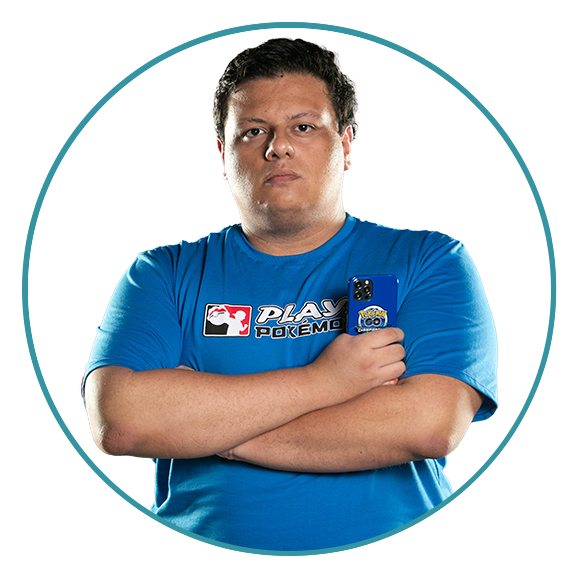
LNDsTSteinar is yet another Trainer from Latin America whose résumé speaks for itself. He has won a Regional Championship, along with making Top 4 at three other Regionals. His performance doesn’t stop there, as he has one of the most impressive International Championship performances out of anyone in the world. He is the only Trainer who has made Top 4 at two different internationals in one season, placing fourth at LAIC 2024 and third at NAIC 2024. Although LNDsTSteiner has not yet won an International Championship, this level of consistency throughout his competitive career speaks volumes regarding his ability to take the title for himself.

While all three of the Trainers discussed so far have been fairly obvious favorites to win LAIC this year, the next Trainer is a relative newcomer to the competitive circuit. Desinked is one of the most consistent Trainers to have ever entered the Play! Pokémon circuit. The only reason he isn’t talked about more is because he hasn’t competed as long as many other Trainers. In the 2024 season, he was able to come in Top 32 at LAIC. While that is an extremely impressive feat, that’s not why he is on this list. At the end of the 2024 season, Desinked had the most impressive tournament run streak ever seen in competitive Pokémon GO. In the same month, he was able to win the Buenos Aires Special Event, achieve second place at the Santiago Regional Championships, and then win the Special Event in Lima. Desinked is by far one of the most impressive new Trainers to compete. If his performance last season is anything to go by, there is a great chance the LAIC title could be his.
While there are many more battlers from Latin America who could easily have made this list, there are some Trainers from outside the region who are also looking to take the LAIC title for themselves. So far in Pokémon GO’s competitive history, there has never been a Trainer who has been able to win an International Championship title from outside their home region. Some Trainers have come close, but none have never quite been able to accomplish it. Some of the best Trainers from the North American and European regions are looking to be the very first to achieve this goal.
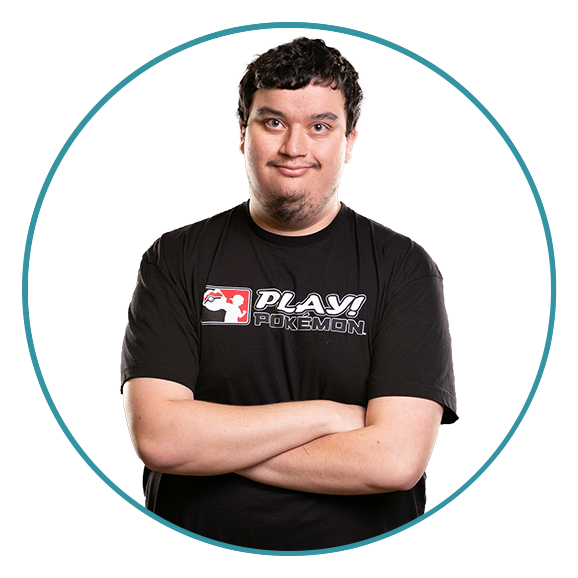
First and foremost, you can’t talk about the best Trainers from the North American region without bringing up one name: Doonebug97. While some Trainers heading to LAIC may have won one or two events and have been able to consistently make the top cut, none of them can come close to what Doonebug97 has been able to achieve. He won his first Regional Championship title in the 2023 season at Arlington, but that was just the beginning. The 2024 season is where he really separated himself from the pack by winning not one, not two, but three Regional Championships in just four months. He is the only Trainer who has ever won this many events in one season, and that’s not all he did in 2024. Doonebug97 is one of a very select group of Trainers to nearly take home an international title from outside his home region, being the 2024 European International Championships runner up. He is looking to make history once again by winning LAIC, and based on his accomplishments from last season, it may just happen.

Another North American Trainer who has been making a name for himself recently is OutOfPoket. Being both the 2024 NAIC Champion as well as the highest-placing North American Trainer at the 2024 World Championship, he is one of very few Trainers who could potentially rival Doonebug97 as the best battler from North America. His consistency when it comes to reaching top cut at tournaments is one of his biggest strengths. The main thing that sets OutOfPoket apart from many Trainers is his team building. He isn’t afraid to try out unique Pokémon that not many people are using, making deep runs in tournaments with Pokémon like Shadow Typhlosion, Bastiodon, and Arctibax. His ability to balance his teams with both top meta Pokémon and innovative picks makes him a huge threat in this metagame. Every regional tournament this season has seen a shift in what the top picks have been, and OutOfPoket’s ability to capitalize on this could give him a competitive edge at LAIC.

While every Trainer up to this point has proven themselves as a Regional or International Champion, there is a Trainer from North America to watch who has yet to win an event. Arrohh has been competing in the Championship Series since the beginning. Although he hasn’t won a title of his own, he has come in second place at a Regional Championship three times. Along with this, he has come in ninth place at NAIC in 2023 as well as at EUIC in 2024, proving he has what it takes to do well on the big stage. What makes Arrohh such an interesting Trainer to watch is his approach to team building. While most people try to make teams with the top Pokémon, Arrohh makes teams to counter the top picks. He isn’t afraid to make hard reads or use risky Pokémon, which makes him a massive threat to Trainers not used to this style of play. While Arrohh hasn’t won a title for himself as of yet, underestimating him heading into LAIC would be a massive mistake.
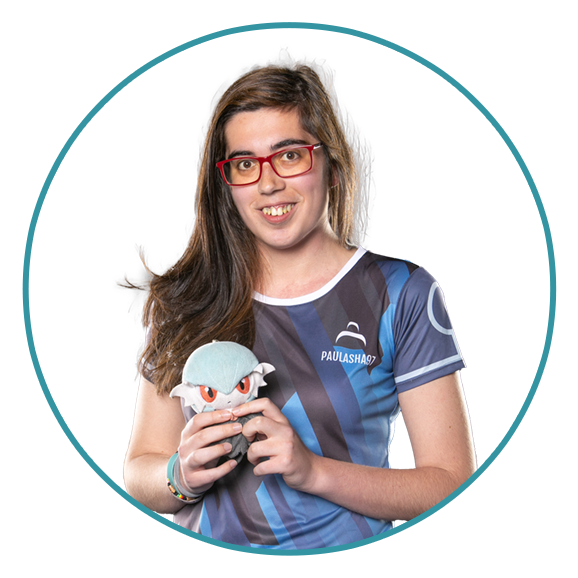
The European region boasts some of the most consistent Trainers in the world. While there are not many EU Trainers attending LAIC this year, there is one that stands above the rest. Paulasha97 has an incredible résumé winning two Regionals, and reaching Top 4 in four more. She has also had fantastic runs at not just international-level events, but also on the world stage. In 2023, she was able to make Top 16 at the World Championships, and in 2024 she made Top 4 at EUIC and Top 32 at the World Championships. One key aspect of Paulasha97’s gameplay that has helped her achieve so much success is her ability to use offense to her advantage. Whether it’s with Shadow Swampert, Shadow Alolan Sandslash, or, of course, Shadow Magnezone, Paulasha97’s precise and hyper-offensive play style can easily overwhelm opponents. This could be what sets her apart from the competition and potentially earn her the LAIC title.
Pokémon To Look Out For

These Trainers all have an incredible shot at becoming the next LAIC Champion, but having the skills to win is only part of the battle. Reading the meta and knowing what picks will come out on top is extremely important, especially for an event as big as this. So far in the 2025 season, the meta has been extremely fluid. Picks like Shadow Feraligatr that many saw as meta-defining at the beginning of this season have seen less and less play, whereas Pokémon like Ariados, Marowak, and Malamar have been rising in popularity at recent events.
One of the most interesting parts about the LAIC meta will be Annihilape. In the past, Annihilape was a meta-defining Pokémon. Being a Ghost- and Fighting-type Pokémon, it had both incredible offense as well as a solid defensive typing. After Annihilape’s best Fast Attack, Counter, got nerfed, it has been nearly extinct from competitive play. All of that could change due to Annihilape receiving a new Charged Attack, Rage Fist. This attack is a low energy Ghost-type move that always increases the user’s attack by one stage. Even though Counter generates less energy now, the ramifications of Annihilape having access to such an energy-cheap move that can guarantee an attack boost cannot be understated. Shadow Annihilape has also recently appeared for the first time, allowing for even more damage output from this Pokémon. Many teams currently disrespect Fighting types, but this won’t be the case now that Annihilape is back in play.
In anticipation of Annihilape’s resurgence, Pokémon that can counteract Fighting-type damage will be key to succeeding at LAIC. Drifblim is a Pokémon that some Trainers have already had their eyes on as a pick to take out the Ground- and Poison-type Pokémon that have been popping up more recently. Its ability to handle Annihilape just makes it that much more enticing to use, being able to knock it out with just Fast Attack damage in many different shielding scenarios.

Malamar is already a Pokémon seeing a ton of play, but being a pick that can hold its own against Annihilape, Ariados, Toxapex—and even Drifblim—it will be everywhere. Using picks that can either work alongside Malamar or shut it down will be key to success at LAIC. This opens the door for Pokémon like Galarian Moltres, Mandibuzz, and potentially even some Fairy types, which are fairly consistent answers to Malamar.
Along with Malamar, Ground-type Pokémon have dominated the 2025 season so far. Clodsire and Diggersby started off the season as the dominant Ground types, but that meta has slowly shifted to Ground types with more Fast Attack pressure, such as Gastrodon and Marowak. These Pokémon with high-damage Fast Attacks put pressure on the Poison-type Pokémon as well as many picks with less bulk. Due to the emergence of these picks, Flying-type and Grass-type Pokémon may rise in usage as a way to slow them down and keep them from running through teams.
This year’s Latin America International Championship will be a sight to behold; between the incredibly talented Trainers attending and the unsettled state of the meta, there are many options for what to bring. Will Annihilape make its triumphant return? Will anti-meta picks like Drifblim be able to shut down popular teams? Only time will tell which Trainers and Pokémon will come out on top of such a prestigious tournament.

Payden “ItsAXN” Bingham is the 2023 Pokémon GO World Champion and an active competitor in the Play! Pokémon circuit. After winning Worlds, his main goals are to spread knowledge about competitive Pokémon GO, and to help grow the competitive scene. You can find them online at @ItsAXN.
Source: Pokemon.com
2025 Pokémon Latin America International Championships Preview Show
Get hyped for the upcoming 2025 Pokémon Latin America International Championships starting November 15 by tuning in to the Preview Show!
Learn more about the stories that are just starting to brew at the start of the 2025 season, the players who are already in the hunt for a big win, and what to expect from the Pokémon TCG, Pokémon VGC, Pokémon GO, and Pokémon UNITE metagames at LAIC! There will be player interviews, roundtable discussion between casters and players, and more to build even more hype leading up to the event.
Watch the 2025 Pokémon Latin America International Championships Preview Show
Tune in to the official Pokémon Twitch and YouTube channels for expert discussion about the upcoming event.
Excitement is building for the 2025 Pokémon Latin America International Championships, which begin on November 15, 2024. Before the competition, though, tune in to a special 2025 LAIC Preview Show on the official Pokémon Twitch channel and YouTube channel, where our experts will break down all the storylines heading into the big event. The Preview Show airs on November 8, 2024, from 1:00–3:00 p.m. PST.
Join hosts Rachel “Seltzer” Quirico and Adam Watson along with panelists including Pokémon video game expert Sierra Dawn; Pokémon Trading Card Game expert Jeremy Jallen; Pokémon GO expert Will Dunphey; and Pokémon UNITE expert Josh “Zoinks” Hiebert. Learn about the biggest stories that are just starting to brew in the 2025 season, as competitors vie for massive prizes at the first International Championships of the year.
Don’t miss a minute of the LAIC discussion, and be prepared for everything Pokémon TCG, Pokémon VGC, Pokémon GO, and Pokémon UNITE, which will be a part of the competition for the first time! The 2025 Latin America International Championships will start streaming on November 15, 2024, at 4:00 a.m. PST.
Pokémon International Championships, São Paulo | LAIC 2025
Come catch the first International Championship of the 2025 Play! Pokémon season – the Latin America International Championships in São Paulo, Brazil! Whether you’re on the show floor or watching the broadcast from home, stay tuned for news on the action, events, rewards and more.
Nov. 15–17, 2024
Expo Center Norte – Pavilhão Azul
José Bernardo Pinto Street
333 – Vila Guilherme
São Paulo – SP
02055-000
Brazil
Pokémon TCG Stream: Twitch.tv/PokemonTCG, YouTube.com/Pokemon
Pokémon VGC Stream: Twitch.tv/Pokemon, YouTube.com/Pokemon
Pokémon GO Stream: Twitch.tv/PokemonGO, YouTube.com/Pokemon
Pokémon UNITE Stream: Twitch.tv/PokemonUNITE, YouTube.com/PokemonUNITE
To find out more about the Play! Pokémon program, be sure to visit Pokemon.com/us/play-pokemon.
Source: Pokemon.com and Play Pokémon!


One thought on “Official Pokémon TCG Power Rankings revealed for the 2025 Pokémon Latin America International Championships”